Relaxing Piano Music
for Meditation
Minimalist piano for mindful breathing and internal space.
Save this Playlist on
Piano for Meditation
This set keeps the piano simple, so you can keep your mind simple. Notes arrive with a soft edge, then leave room behind them. Nothing pushes forward, and nothing insists on being followed.
- Quiet voicings that keep melody in the background
- Natural gaps that support breath counting and body scans
- A darker balance in the sound, with few bright spikes
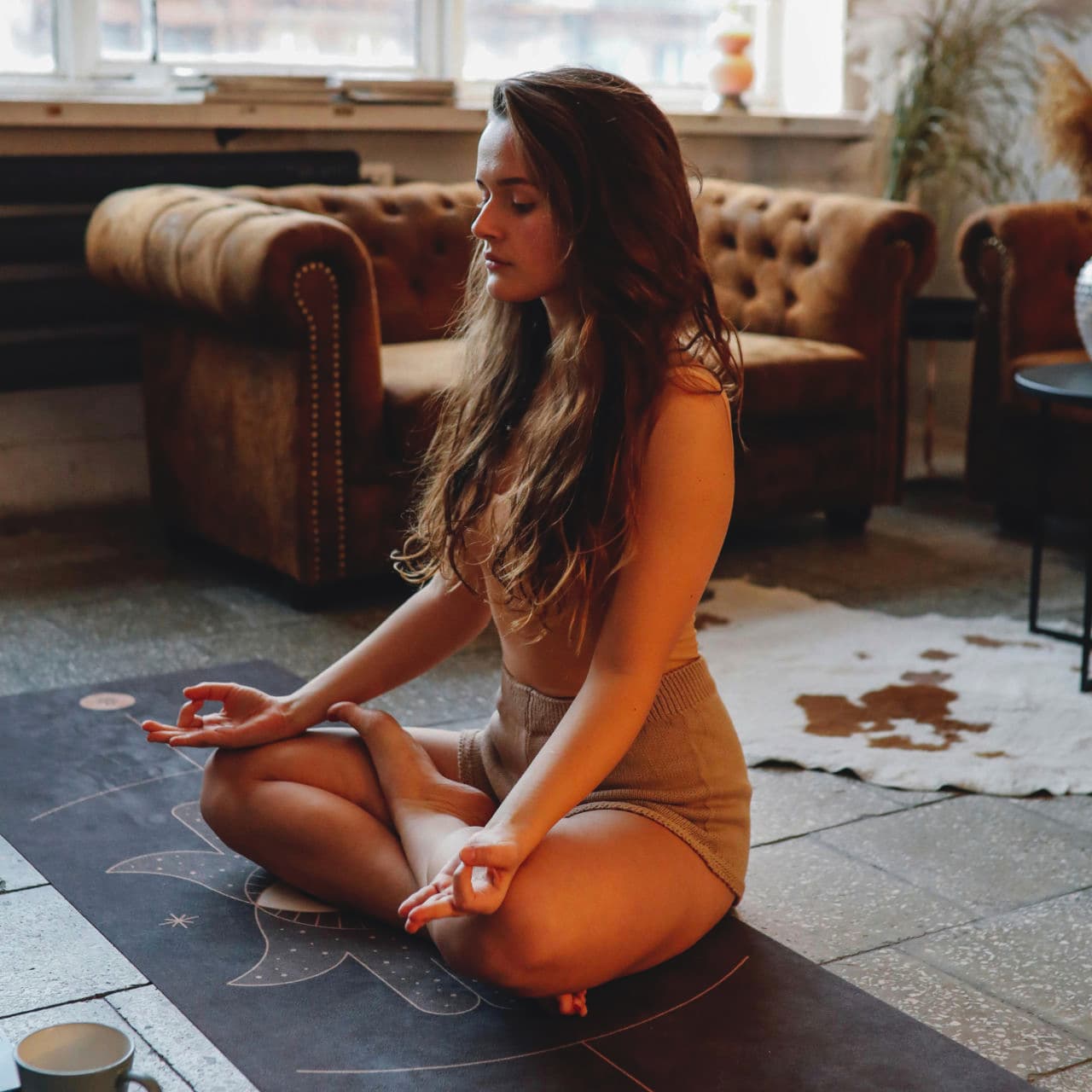
What this meditation playlist feels like
You can practice with sound, as long as the sound stays simple. Here the piano is spacious and uninsistent, giving you something steady to return to without turning the listening into the task. If your goal is to fall asleep, Deep Sleep Piano is the gentler place to land.
Spacious and slow
Meditation, breathwork, slow yoga
Study and work, active listening
7 hours
The simplest way to use it
Set the piano low enough that you can forget it. Then pick one anchor. Breath, body, or sound. When your mind wanders, return to the same anchor without negotiating.
What is Meditation Piano Music?
The goal is presence, not performance. Meditation Piano Music is spacious, minimalist piano that leaves room for breath and awareness, so the music can support practice without becoming the thing you follow.
Explore a simple way to use the music as an anchor, including what to change when attention keeps wandering.
On This page
- How can you meditate with music without getting distracted?
- How can you use meditation piano in your practice?
- Which piano style is best for meditation?
- What can you do when you cannot settle into meditation?
- How this meditation playlist is curated
- Questions about meditation piano
- Sources and further reading
How can you meditate with music without getting distracted?
Meditation is already enough to do. The music is here to make the room feel steady while you practice. Use the cues below when you notice that attention has wandered.
Three cues for staying present
- Follow the full decay of one note until it disappears.
- Let your exhale be slightly longer than your inhale for a few cycles.
- Notice one physical contact point, like feet on the floor or hands in your lap.
Keep it below attention
If the piano becomes something you follow, make it less direct. Move the speaker farther away or turn it down slightly. The music should sit around the practice, not inside it.
Choose your space first
Meditation gets easier when the room has fewer sharp edges. Soften light, reduce noise, and keep the phone out of view. Small reductions in contrast can make attention feel less jumpy.
Use speakers for movement
For yoga or stretching, room sound helps orientation because it stays in the space as you move. If you prefer a more contained feel, headphones can work, but keep the level low.
If silence feels better, use it
Some sessions ask for silence. You can pause the playlist and keep the same anchor. The practice is the returning, not the soundtrack.
How can you use meditation piano in your practice?
Different practices need different levels of structure. These modes help you decide how much support you want from the music.
Seated stillness
Set the piano very low and choose one anchor, breath or body. Let the sound be a soft boundary that keeps you from reaching for stimulation.
Slow yoga and stretching
Keep the room sound gentle and let the pace of movement match the music. The goal is steady presence, not intensity.
Walking meditation
Walk with the piano in the background. Feel a few steps, then return to breath. If you start tracking melodies, widen attention to the whole sound field.
Which piano style is best for meditation?
If you are meditating with music, aim for sound that does not tell a story. The best fit is usually the style that stays muted, even, and spacious, so attention can settle instead of following themes.
Contemporary felt piano
Muted, close, and steady. Great when you want presence without narrative.
Soft classical piano
More phrasing and structure. Works best when it feels simple and familiar, not dramatic.
Fast comparison
If you want the music to feel more like space than a performance, lean toward the muted, even option. Keep it quiet enough that your anchor stays primary.
| Style | Key characteristics | Impact on meditation | When to choose |
|---|---|---|---|
| Contemporary felt piano | Muted tone, low contrast dynamics, minimal phrasing | Low attention pull for many listeners | Fits many practices |
| Soft classical piano | Repertoire, clearer structure, expressive phrasing | Can calm or engage depending on the piece | If it stays gentle and familiar |
| Vocal or pop | Lyrics, hooks, stronger energy shifts | Pulls attention outward through language | Not recommended for meditation |
For meditation, fewer prompts matter more than variety.
What can you do when you cannot settle into meditation?
If practice feels messy, that is still practice. Change one small variable and keep it for a few minutes before you decide.
If the mind will not slow down
- Return to the exhale and count five slow breaths.
- Choose one simple anchor, breath at the nose or contact at the hands, then stay with it.
- Keep the piano as a soft, steady layer. Slow pacing and low contrast dynamics support steadiness, not effort.
If the music pulls attention outward
- Stop skipping and let the playlist run so there are fewer prompts to follow.
- Move the sound farther away to soften detail, especially the attack of notes.
- If it still feels too present, pause the music and continue with the same anchor in silence.
How this meditation playlist is curated
For meditation, the best support is usually the part you barely notice. This playlist keeps the space open, the dynamics calm, and the pacing slow so your attention can stay inward.
Low contrast dynamics
Sharp peaks are avoided so the sound does not pull you outward. The volume stays even enough to become background.
Harmonic stability
Harmony moves gently and does not build tension. That helps the mind stop following a storyline.
Room for breath
Notes are allowed to ring and fade. The extra space gives breath and body cues room to land.
What we do not promise
Music can support meditation, but it is not required and it does not work the same for everyone. If silence feels better, choose silence.
Questions about meditation piano
How does piano music support meditation?
The music provides a gentle thread for your attention to follow. Keep it quiet, and treat the sound as support rather than the main object of focus.
Is it effective for breathwork?
It can work well if the music stays slow and steady. If it helps, let your breath lead and allow the piano to be a soft timing cue in the background.
Why is solo piano best for mindfulness?
A single piano offers more space between the notes. This minimalist approach allows for more internal silence which is essential for deep contemplation.
Does it help if I dislike silence?
Yes, especially at the beginning. A quiet playlist can make practice feel less stark while you build comfort with silence over time. If you simply want a softer room to unwind in, Relaxing Piano tends to suit better.
How does a fading note help focus?
A long decay gives you time to notice change without chasing it. You can listen to the start, the fade, and the silence after, then return to breath or posture.
Does it piano help with emotional reflection?
It can make reflection feel softer by holding a steady atmosphere. If you journal or sit quietly afterward, the music can support that space without directing it.
Is it meditation piano helpful for yoga?
It can be, especially for slower sessions where you want the room to feel steady. Choose simple tracks and keep the volume low so the music supports your movement without leading it.
Does meditation music improve mental clarity?
Reducing the constant noise of the mind allows deeper thoughts to surface. If it helps, consistency matters more than intensity, even a short daily session can be enough.
Sources and further reading
If you use piano as an anchor while you meditate, you are not alone. These sources connect music with stress response and mood, and they can help frame how sound may support breath based or mindfulness routines.
- The effect of music on the human stress response Thoma, M. V., et al. (2013). Evidence that music listening can influence aspects of stress response and recovery. View article
- Meditation programs for psychological stress and well being Goyal, M., et al. (2014). Review of meditation programs and their effects on stress related outcomes. View study
- Mindfulness based stress reduction for healthy individuals Khoury, B., et al. (2015). Meta analysis of MBSR effects on stress, depression, and anxiety in non clinical samples. View study
- The effect of different genres of music and silence on relaxation and anxiety: A randomized controlled trial Malakoutikhah, A., et al. (2020). Randomized cross-over trial comparing music genres and silence on relaxation and state anxiety. View study